
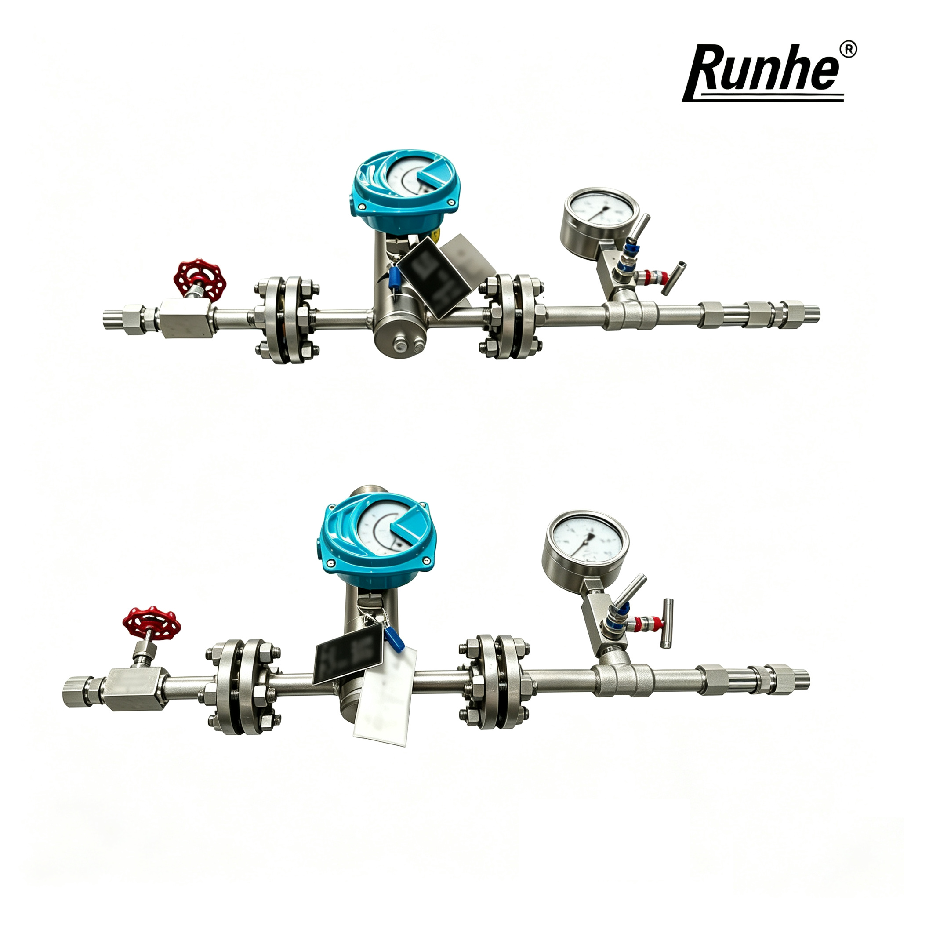
API 682 Plan 62 Seal Support System Introduction
- Definition & Working Principle
API 682 Plan 62 is an atmosphere-side quench support system for single mechanical seals.
It introduces low-pressure external fluid (steam / nitrogen / clean water) to the outboard (atmosphere side) of the mechanical seal, forming a barrier to control temperature and prevent scaling, coking and crystallization.
- System Components
Quench Inlet (Q): Connection for external low-pressure fluid supply.
Bushing / Throttle Bushing: Mandatory part; retains quench fluid, limits leakage and protects the bearing housing.
Drain Port (D): Discharges excess quench fluid and impurities.
Valves & Check Valve: Stabilize pressure and prevent backflow.
- Working Process
Low-pressure quench fluid enters the outboard seal chamber from the quench inlet.
The fluid forms an isolation barrier between the seal face and ambient atmosphere.
It cools / warms the seal and washes away solids, coke and crystals.
Excess fluid and contaminants are drained through the discharge port.
- Common Quench Media & Functions
Low-pressure Steam (Most Used): For high-temperature hydrocarbon services (residue oil, bitumen); prevent coking and sticking.
Nitrogen: For cryogenic services (liquefied hydrocarbon); prevent icing and oxidation, isolate air.
Clean Water: For medium-temperature easy-to-crystallize media (brine, lye); cooling + prevent salt precipitation.
- Typical Applications
High-temperature hydrocarbon pumps: crude oil, residual oil, thermal oil.
Easy crystallization / salting media: caustic soda, brine, urea.
Cryogenic pumps: LNG, liquid ammonia.
Corrosive media: isolate air to reduce corrosion.
- Advantages & Disadvantages
Advantages
Simple structure, low cost and easy maintenance.
Effectively prevent coking, crystallization and icing; greatly extend seal service life.
No contamination to process fluid.
Disadvantages
Only applicable to single mechanical seal; cannot stop process media leakage to atmosphere fundamentally.
Continuous external fluid supply required, with ongoing operating cost.
Throttle bushing is mandatory; otherwise quench fluid will leak and lose efficacy.
- Key Operation Notes
Keep quench pressure stable at suitable range.
Throttle bushing installation is required; small clearance design avoids fluid entering bearing housing.
Keep drain line unobstructed to avoid liquid accumulation and backflow.
#API682Plan62SealSupportSystem#SealSupportSystem#API682Plan62 #Plan62#API682


 export@rhseal.com


