
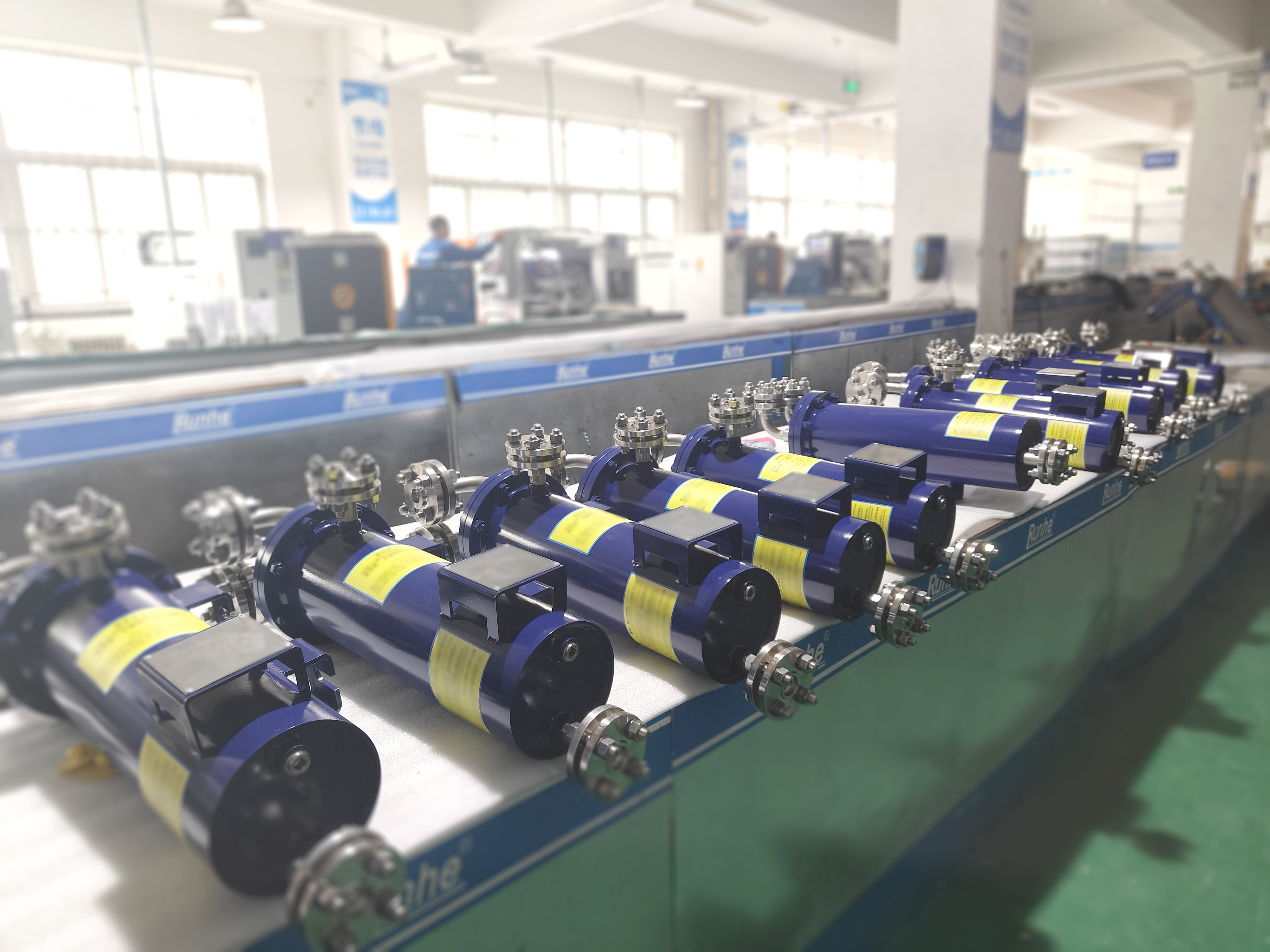
API 682 Plan 23 Heat Exchanger – Working Principle:
Utilizes the pumping ring integrated in the mechanical seal to provide circulation, allowing the hot fluid from the seal chamber to flow into the heat exchanger, where it is cooled and then returned to the seal chamber, forming a small-scale closed loop circuit.
API 682 Plan 23 Heat Exchanger – Key Advantages:
1. High Efficiency: Cools only a small portion of the fluid required for the seal, resulting in low thermal load and significantly lower energy consumption compared to other plans such as Plan 21.
2. Environmentally Friendly: No external quenching fluid is introduced, thus avoiding dilution or contamination of the process fluid.
3. Precise Temperature Control: Creates a stable local environment at the seal faces with a temperature lower than that of the bulk process fluid, making it particularly suitable for high-temperature applications.
API 682 Plan 23 Heat Exchanger –Structural Features:
The heat exchanger is typically designed as a compact unit, mostly with a spiral tube construction, providing efficient heat transfer within a limited space.
Dandong Runhe Seal Co.,Ltd.
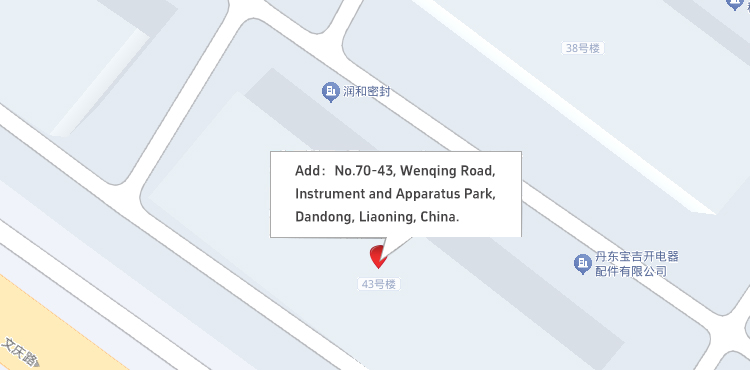
Add:No.70-43, Wenqing Road, Instrument and Apparatus Park, Dandong, Liaoning, China.
Tel.:86-415-5711666
Mob: 0086-18541507008
Email:export@rhseal.com
Wechat ID: RunheSeal
Web:www.rhseal.com
#API682
#Plan23
#HeatExchanger
#MechanicalSeal
#PumpSealing
#SealSupportSystem


 export@rhseal.com


