
Simple Operation Guidelines for API Plan 53B Seal Support System
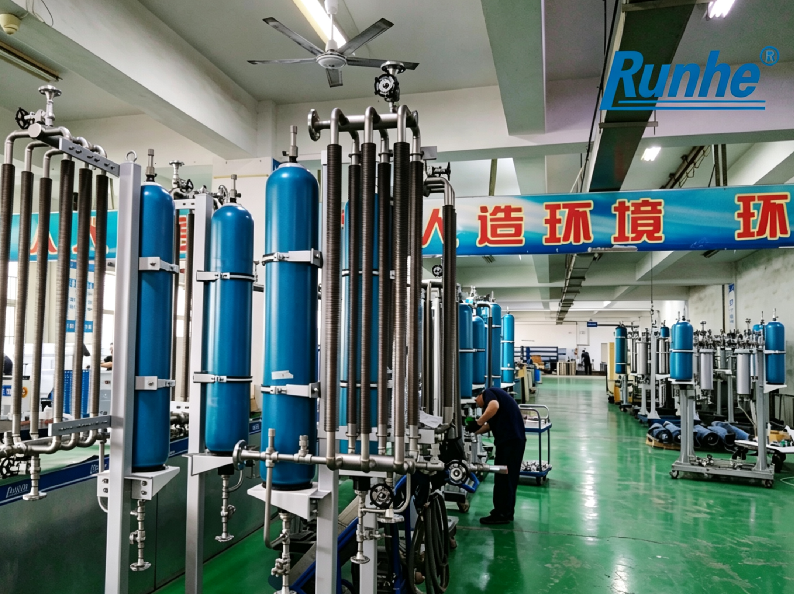
API Plan 53B is a pressurized barrier‑fluid auxiliary system . It adopts a bladder accumulator for automatic pressure compensation. It is widely applied to high‑risk process pumps in
petrochemical, chemical and new‑energy industries for handling toxic, flammable, explosive and highly corrosive media.
Proper daily operation, regular inspection and periodic maintenance are critical to stable long‑term operation of mechanical seals. They help reduce leakage risks, prevent equipment
failures and extend overall service life of mechanical seal assemblies.
1. Pressure Differential Management
Maintain stable system pressure during operation and monitor accumulator status in real time. Avoid abnormal pressure fluctuation which may cause unstable seal loading and
premature wear.
2. Barrier‑Fluid Selection & Replacement
Barrier‑fluid compatibility directly affects system reliability. The selected barrier fluid shall have good chemical compatibility with process media, and shall not cause chemical reaction,
emulsification or stratification.
3. Standard Start‑up & Shutdown Procedure
Follow the standard operation logic: “Build pressure first, then start pump; stop pump first, then shut down the system after depressurization”.
4. Key Daily Inspection Items
Routine maintenance includes checking system pressure, barrier‑fluid level, valve status and pipeline tightness.
5. System Temperature Control
Ensure the matched heat exchanger delivers reliable cooling performance to keep barrier fluid within a proper operating temperature range.
6. Standardized Periodic Maintenance
Regular maintenance covers pressure‑gauge calibration, accumulator‑bladder pressure check, periodic replacement of wearing parts and standardized disassembly‑assembly operations.
#pumpsealmaintenance#barrierfluidsystem#barrier‑fluidsystem#hazardous‑mediapump#petrochemicalpumpseal


 export@rhseal.com


